Hindi:
संसार की सभी संस्कृतियों में जल प्रलय की कथा मिलती है। यहां तक सुदूर हिम क्षेत्रों में रहने वाले एस्किमो जनजाति में भी जल प्रलय की कहानी मिलती है।
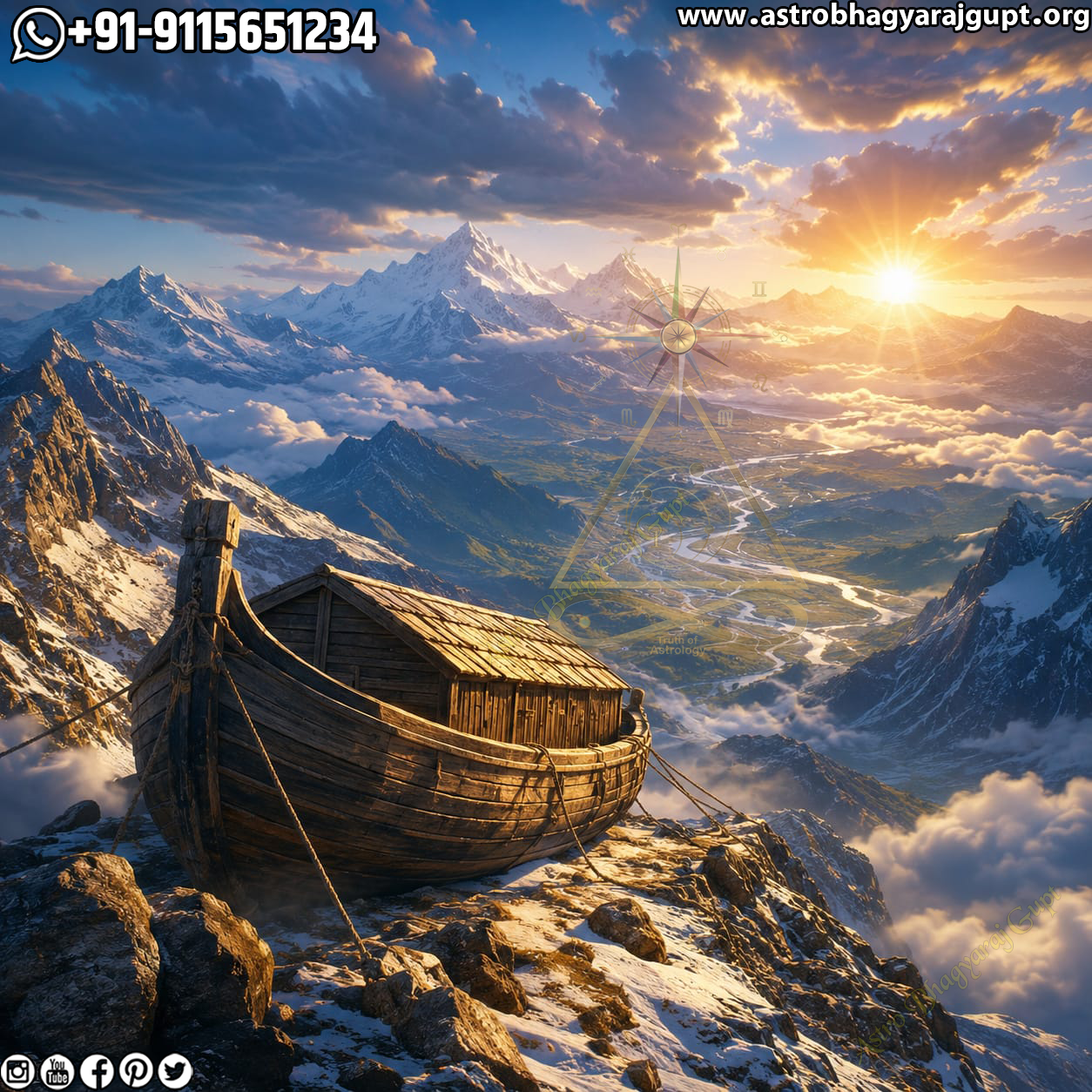
जल प्रलय के बाद वह भूमि कहां होनी चाहिए, जहां मनु की नाव ठहरी थी?? पृथ्वी पर सबसे ऊंची जगह कहां है??
एआई----
भारतीय और वैश्विक परंपराओं, भूगोल और विज्ञान के दृष्टिकोण से आपके प्रश्नों के उत्तर नीचे दिए गए हैं:-
पौराणिक कथाओं और प्राचीन ग्रंथों (जैसे शतपथ ब्राह्मण और मत्स्य पुराण) के अनुसार, जल प्रलय के बाद राजा मनु की नाव हिमालय की चोटियों पर जाकर ठहरी थी।
नौबंधन चोटी:- उत्तर भारत (विशेषकर उत्तराखंड के गढ़वाल हिमालय) में एक विशिष्ट पर्वत चोटी है जिसे 'नौबंधन'(या नौका-बंधन) कहा जाता है। माना जाता है कि मनु ने अपनी नाव इसी स्थान पर बांधी थी।
मनाली का संबंध:- हिमाचल प्रदेश के प्रसिद्ध पर्वतीय क्षेत्र 'मनाली' का नाम भी 'मनु-आलय' (मनु का घर) से लिया गया है। मान्यता है कि प्रलय का पानी उतरने के बाद मनु इसी क्षेत्र में उतरे थे और यहीं से उन्होंने नई सृष्टि और मानव सभ्यता की शुरुआत की थी।
अगर हम समुद्र की सतह से ऊंचाई मापें, तो पृथ्वी की सबसे ऊंची जगह माउंट एवरेस्ट (Mount Everest) है।
ऊंचाई:- 8,848.86 मीटर (लगभग 29,032 फीट)
स्थान:-यह हिमालय पर्वतमाला में नेपाल और तिब्बत (चीन) की सीमा पर स्थित है।
पौराणिक मान्यता के अनुसार मनु की नाव हिमालय में ठहरी थी, और भौगोलिक रूप से भी पृथ्वी का सबसे ऊंचा पर्वत तंत्र (माउंट एवरेस्ट) हिमालय में ही स्थित है।
क्या जल प्रलय के बाद मानव सभ्यता का विकास केन्द्र तिब्बत को मान सकते हैं???
एआई----
जल प्रलय के बाद तिब्बत को मानव सभ्यता के पुनर्विकास या विकास का केंद्र मानने का विचार पौराणिक दृष्टिकोण, भूवैज्ञानिक इतिहास और आनुवंशिकी के स्तर पर बेहद दिलचस्प है।
सीधे शब्दों में कहें तो,हाँ, पौराणिक और भौगोलिक दोनों आधारों पर तिब्बत (और वृहद हिमालयी क्षेत्र) को प्रलय के बाद मानव सभ्यता की नई शुरुआत का एक प्रमुख केंद्र माना जा सकता है।
इसके पीछे ठोस कारण और विभिन्न दृष्टिकोण नीचे दिए गए हैं:
1. पौराणिक और सांस्कृतिक दृष्टिकोण
वैश्विक और स्थानीय लोककथाओं में तिब्बत और हिमालय का संबंध प्रलय से सीधा जुड़ता है:
तिब्बती लोककथाएँ (Tibetan Flood Myth):- तिब्बत की प्राचीन पौराणिक कथाओं में भी एक महान जल प्रलय का वर्णन है। वहाँ की मान्यता के अनुसार, जब पूरी धरती पानी में डूब गई थी, तब तिब्बत का पठार सबसे पहले पानी से बाहर निकला था। इसके बाद 'ग्या' नामक देवता ने दया करके उस पानी को बंगाल की खाड़ी की तरफ बहा दिया, जिससे वह भूमि रहने योग्य बनी।
बौद्ध और बॉन परंपरा:- तिब्बती ग्रंथों के अनुसार, प्रलय के बाद इस ऊंचे क्षेत्र में 'अवलोकितेश्वर' की कृपा से मानव जाति की नई शुरुआत हुई।
भारतीय संदर्भ:- जैसा कि हमने पहले चर्चा की, राजा मनु की नाव हिमालय (नौबंधन) पर रुकी थी। तिब्बत का पठार इसी हिमालय श्रृंखला का मुख्य हिस्सा है जिसे 'दुनिया की छत' कहा जाता है। प्रलय के समय जब समुद्र का स्तर बढ़ा होगा, तो सबसे सुरक्षित और सूखी जगह यही ऊंचा क्षेत्र रहा होगा।
2. भूवैज्ञानिक और भौगोलिक दृष्टिकोण
वैज्ञानिक और भौगोलिक दृष्टि से भी तिब्बत का पठार इस सिद्धांत में बिल्कुल सटीक बैठता है:
जलभराव से सुरक्षा:- तिब्बत के पठार की औसत ऊंचाई समुद्र तल से लगभग 4,500 मीटर (14,800 फीट)है। यदि इतिहास में हिमयुग के खत्म होने पर ग्लेशियर पिघलने या किसी बड़े भूगर्भीय बदलाव के कारण वैश्विक स्तर पर भयानक बाढ़ आई भी होगी, तो मैदानी और तटीय सभ्यताएं पूरी तरह नष्ट हो गई होंगी। ऐसे में केवल तिब्बत और हिमालय जैसे ऊंचे इलाके ही बचे होंगे जहाँ इंसान जीवित रह सकते थे।
नदियों का उद्गम स्थल:- तिब्बत को "एशिया का वाटर टावर" कहा जाता है। सिंधु , गंगा-ब्रह्मपुत्र (हिमालयी तंत्र), यांग्त्ज़ी , और मीकांग जैसी एशिया की सबसे बड़ी नदियाँ यहीं से निकलती हैं। जब प्रलय का पानी उतरा होगा, तो लोग इन्हीं नदी घाटियों के सहारे नीचे (भारत, चीन और दक्षिण-पूर्व एशिया) की तरफ बढ़े होंगे और नई सभ्यताओं (जैसे सिंधु घाटी या चीनी सभ्यता) को जन्म दिया होगा।
आधुनिक विज्ञान सीधे तौर पर मनु की नाव की पुष्टि नहीं करता, लेकिन तिब्बत के मानव इतिहास पर हालिया वैज्ञानिक रिसर्च (वर्ष 2024-2026 की जेनेटिक स्टडीज) चौंकाने वाले तथ्य सामने लाती हैं:
अति-प्राचीन निवास:- डीएनए और पुरातात्विक अवशेषों से पता चला है कि तिब्बत के पठार पर आदि-मानव (जैसे डेनिसोवन और होमो सेपियन्स) 30,000 से 40,000 साल पहले से रह रहे थे।
अद्भुत जेनेटिक बदलाव:- तिब्बतियों के शरीर में EPAS1 और EGLN1 नाम के विशेष जीन वेरिएंट्स पाए जाते हैं, जो उन्हें बिना किसी बीमारी के कम ऑक्सीजन वाले ऊंचे इलाकों में रहने की क्षमता देते हैं। वैज्ञानिकों का मानना है कि यह विकास हजारों सालों के एकांत और कठिन परिस्थितियों से जूझने के बाद हुआ।
यदि हम 'जल प्रलय' को एक ऐसी ऐतिहासिक घटना मानें जिसने मैदानी सभ्यताओं को डुबा दिया था, तो तिब्बत और हिमालय ही वह सुरक्षित "अंकुर" थे जहाँ मानव सभ्यता के बचे हुए लोग सुरक्षित रहे।
यहीं से परिस्थिति अनुकूल होने पर लोग नीचे मैदानों की तरफ आए। इसलिए, तिब्बत को प्रलय के बाद मानव सभ्यता के पुनरुत्थान और फैलाव का प्राकृतिक भौगोलिक केंद्र मानना पूरी तरह तार्किक है।
जर्मनी के नंबर 1 ज्योतिषी एस्ट्रो भाग्यराज गुप्त द्वारा अपनी कुंडली का विश्लेषण करवाएं अपॉइंटमेंट के लिए इस लिंक पर क्लिक करें Appointment With Aacharya Ji by Call | आचार्य जी से फ़ोन पर बात करें पर या मोबाइल नंबर +91 91156 51234 पर संपर्क कर सकते हैं। ॐ नमो भगवते वासुदेवाय नमः
English:
Flood Legends Across Cultures
Stories of a great flood are found in almost every culture of the world. Even the Eskimo (Inuit) tribes living in the far northern polar regions have legends about a catastrophic deluge.
Where Would the Land Be Where Manu's Ark Came to Rest After the Great Flood? Where Is the Highest Place on Earth?
AI Answer:
From the perspectives of Indian and global traditions, geography, and science, the answers are as follows:
According to ancient Hindu scriptures such as the Shatapatha Brahmana and the Matsya Purana, King Manu's ark came to rest on the peaks of the Himalayas after the Great Flood.
Naubandhana Peak:
In northern India, particularly in the Garhwal Himalayas of Uttarakhand, there is a mountain peak traditionally known as Naubandhana (meaning "the place where the boat was tied"). It is believed that Manu secured his ark at this location.
Connection with Manali:
The famous hill town of Manali in Himachal Pradesh is believed to derive its name from "Manu-Alaya," meaning "the abode of Manu." Tradition holds that after the floodwaters receded, Manu descended in this region and began the process of rebuilding human civilization.
If we measure elevation from sea level, the highest point on Earth is Mount Everest.
- Height: 8,848.86 meters (29,032 feet)
- Location: On the border between Nepal and Tibet (China) in the Himalayan mountain range.
Can Tibet Be Considered the Center of Human Civilization After the Great Flood?
AI Answer:
The idea that Tibet became the center of the redevelopment or rebirth of human civilization after a great flood is an intriguing one from the perspectives of mythology, geology, and genetics.
In simple terms:
Yes, from both mythological and geographical perspectives, Tibet (along with the greater Himalayan region) can be viewed as one possible center for the renewal of civilization after a catastrophic flood.
The reasons are outlined below.
1. Mythological and Cultural Perspective
Many global and regional traditions associate Tibet and the Himalayas with a great flood.
Tibetan Flood Myth
Ancient Tibetan legends also describe a massive flood. According to these traditions, when the entire Earth was submerged, the Tibetan Plateau was among the first regions to emerge above the waters.
The legends further state that a deity named Gya compassionately directed the floodwaters toward the Bay of Bengal, making the land habitable once again.
Buddhist and Bon Tradition
According to Tibetan Buddhist and Bon texts, humanity began anew in this high-altitude region through the blessings of Avalokiteshvara following the flood.
Indian Tradition
As discussed earlier, Hindu tradition states that King Manu's ark came to rest in the Himalayas at Naubandhana. Since the Tibetan Plateau forms a major part of the Himalayan system and is often called "the Roof of the World," it would have been one of the safest and driest regions if sea levels had dramatically risen during a great flood.
2. Geological and Geographical Perspective
From a scientific and geographical standpoint, the Tibetan Plateau also fits this hypothesis remarkably well.
Protection from Flooding
If, at the end of the last Ice Age, melting glaciers or major geological events caused widespread flooding, low-lying plains and coastal civilizations would have been far more vulnerable. In contrast, high-altitude regions such as Tibet and the Himalayas would have offered comparatively safer refuges for human survival.
Source of Asia's Great Rivers
Tibet is often called "Asia's Water Tower."
Major Asian rivers originate from this region, including:
- The Indus
- The Ganges–Brahmaputra river system
- The Yangtze
- The Mekong
As floodwaters receded, populations could have followed these river valleys into lower regions such as India, China, and Southeast Asia, where later civilizations—including the Indus Valley Civilization and ancient Chinese civilizations—eventually emerged.
3. Modern Scientific Perspective
Modern science does not directly confirm the story of Manu's Ark.
However, recent scientific research on Tibet (including genetic studies published between 2024 and 2026) has revealed fascinating findings.
Ancient Human Presence
DNA analysis and archaeological discoveries suggest that archaic humans—including Denisovans and Homo sapiens—inhabited the Tibetan Plateau approximately 30,000 to 40,000 years ago.
Unique Genetic Adaptations
Modern Tibetans possess distinctive genetic variants such as EPAS1 and EGLN1, enabling them to thrive in high-altitude, low-oxygen environments without suffering altitude-related illnesses.
Scientists believe these adaptations evolved over thousands of years in response to prolonged isolation and challenging environmental conditions.
Conclusion
If we interpret the Great Flood as a historical event that devastated lowland civilizations, then the Tibetan Plateau and the Himalayas could be viewed as natural refuges where surviving human populations found safety.
As environmental conditions improved, these populations may have gradually migrated down the river valleys into the surrounding plains, contributing to the rise of later civilizations.
analyse your horoscope by Germany Best Astrologer Astro Bhagyaraj Gupt take appointment click at this link Appointment With Aacharya Ji by Call | आचार्य जी से फ़ोन पर बात करें or You can whatsapp +91 91156 51234 .


